From Visiting to Connecting: Redefining Tourism Value in Regional Japan
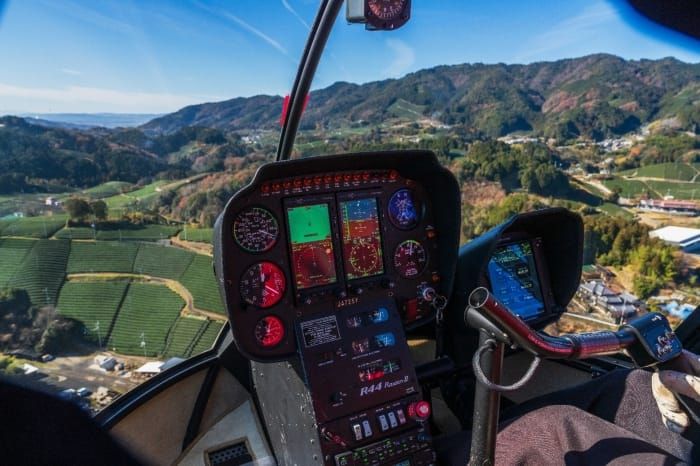
Efforts in Wazuka, a tea-producing region in Kyoto, highlight a fundamental shift in how tourism value is created.
While Wazuka is known for its scenic tea fields stretching along mountain ridges, the real value lies beyond visual appeal. What matters is how visitors engage with the place — how they understand the people, the work, and the philosophy behind the landscape.
At a recent event, local tea farmers personally prepared tea for visitors while sharing their approach and beliefs. Rather than simply consuming a product, visitors gained insight into the people and processes behind it.
This seemingly small shift transforms the experience. When visitors connect with the stories and intentions behind what they encounter, the experience moves beyond satisfaction and becomes memorable and meaningful.
A destination then evolves from somewhere “visited” into somewhere “worth returning to.” This is where long-term value is created.
One of the key challenges in regional tourism, however, is accessibility. Wazuka remains approximately 60 to 90 minutes from central Kyoto — a significant barrier for time-sensitive, high-value travellers.
To address this, new initiatives are introducing helicopter access. This is not simply about reducing travel time — it is about transforming mobility into part of the experience itself.
Approaching the destination from the air allows visitors to understand the landscape before arriving. The same place is perceived differently when experienced from multiple perspectives.
The result is a deeper, more contextualised experience.
For high-value travellers, the key question is not only where to go, but how time is spent. By reducing travel time while enhancing the quality of the experience, this approach aligns strongly with their priorities.
It also enables a more sustainable model for destinations. Higher-value, lower-volume visitation allows regions to generate meaningful revenue without relying on large visitor numbers.
Ultimately, the initiatives in Wazuka reflect a deeper concept — tourism as a form of “peaceful industry.”
This is not about bold messaging, but about creating quiet, lasting connections. Visitors engage with a place, understand its value, and carry that experience forward.
A single cup of tea, a moment of perspective from above — these experiences may seem small, but they create lasting impressions.
Over time, these individual experiences form networks of connection that extend beyond the destination itself. This is the foundation of sustainable tourism.
Why it matters
Tourism value is shifting from “content” to “connection.”
For travel companies, this implies:
• Experiences should be designed to foster engagement and understanding, not just consumption • Mobility can be repositioned as a value-generating element, not just a cost • Regional destinations can achieve competitiveness through high-value positioning
The key is not the place itself, but how relationships between people and place are designed. This enables a sustainable model that does not rely on volume.
Yoshihiko Kondo CEO, KYOTOyui / Travel Kyoto